By Gwen Chiamaka Ifeson
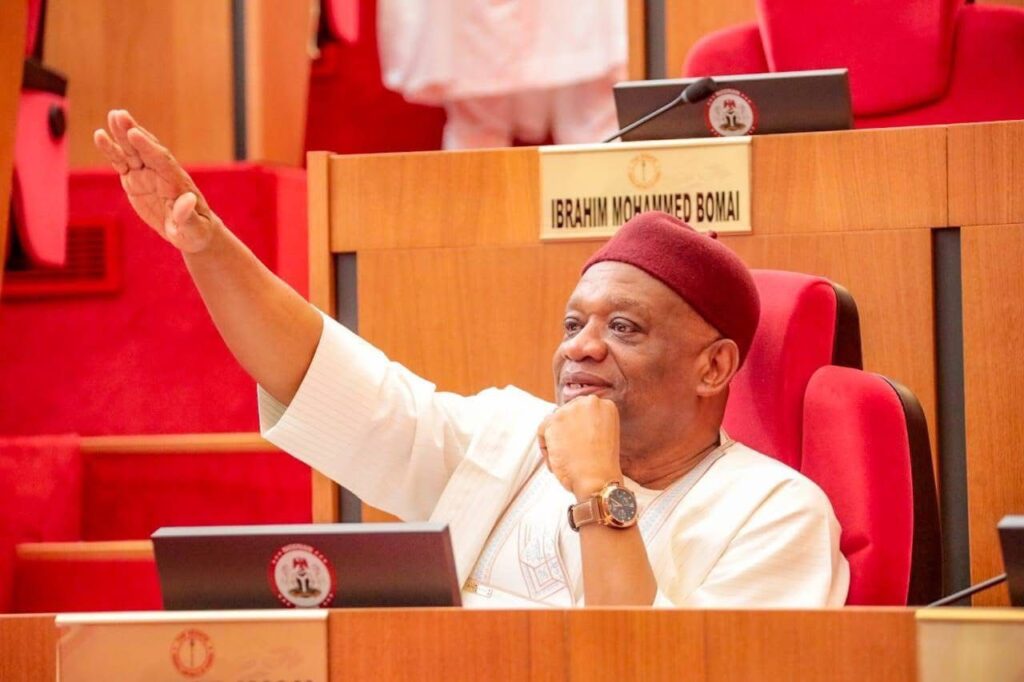
Amid growing public outrage over the sharp rise in domestic airfares, Senator Orji Uzor Kalu, has defended airline operators, warning that a blanket reduction in ticket prices could cripple the aviation sector.
During Wednesday’s plenary, the Senate erupted in anger over soaring fares, with lawmakers condemning ticket prices that now exceed ₦300,000 on some South-South and South-East routes.
The Abuja–Lagos route, one of the country’s busiest, reportedly costs between ₦400,000 and ₦600,000 for a one-way ticket, sparking fears that air travel is becoming unaffordable for many Nigerians.
While several senators called for immediate intervention, Senator Kalu urged caution, arguing that airlines should not be forced into unsustainable pricing.
According to him, the aviation industry operates under severe financial pressure, with airlines grappling with rising fuel costs, foreign exchange challenges, aircraft leasing expenses, and multiple regulatory charges.
Kalu maintained that aviation fuel prices and dollar-denominated maintenance costs have risen far beyond the control of local operators, who sell tickets in naira but service most of their obligations in foreign currency.
He warned that compelling airlines to slash fares without addressing these underlying cost drivers could lead to grounded aircraft, cancelled routes, job losses, and even the collapse of airlines.
He emphasized that airlines are private businesses, not public utilities, and must be allowed to operate within economic realities to remain viable.
He also mentioned that price controls may offer temporary relief to passengers but could cause long-term damage to the sector if airlines are pushed to operate at a loss.
Analysts say Kalu’s position highlights the need for structural reforms rather than populist measures.
They argue that meaningful solutions lie in reducing aviation fuel costs, improving access to foreign exchange, cutting multiple levies imposed by aviation agencies, and strengthening competition within the industry.
While lawmakers’ concerns reflect widespread public frustration, observers note that Kalu’s stance underscores a broader economic truth: sustainable affordability in aviation can only be achieved by fixing systemic challenges, not by imposing artificial price reductions.
As debates continue in the Senate, Kalu’s intervention has reframed the discussion, shifting attention from fare caps to the deeper policy reforms required to stabilize Nigeria’s aviation industry and ensure its long-term survival.