Senator Orji Uzor Kalu has spoken openly and firmly about one of the biggest dangers facing Nigeria’s democracy today: the growing presence of fraudsters, blackmailers, and dishonest individuals in public office.
In a recent video message, the former Abia State governor did not mince words as he condemned politicians who carry criminal habits from the streets into government, warning that such behavior threatens the foundation of good governance and public trust. His position is clear, direct, and rooted in a concern for the future of the country.
Kalu’s stance is not driven by personal attacks or political rivalry. Rather, it reflects a broader worry about what happens when people with questionable backgrounds gain access to power. According to him, governance demands character, discipline, and a sense of responsibility to the people.
When individuals known for fraud, manipulation, or blackmail enter politics, they often see public office not as a platform for service but as an extension of their past misconduct. This, he argues, is a dangerous path that Nigeria cannot afford to continue walking.
In his message, Kalu emphasizes that fraud does not magically disappear when someone wins an election or secures an appointment. A person who built their life around deception is unlikely to suddenly become honest simply because they now hold a title. Instead, such individuals often refine their tactics, using state power, influence, and access to resources to deepen corruption. This reality, Kalu warns, weakens institutions, discourages honest citizens, and damages the nation’s image both at home and abroad.
One of the strongest points in Kalu’s argument is his rejection of blackmail as a political tool. He criticizes politicians who rely on threats, leaked information, or false accusations to gain relevance or silence opponents. In his view, blackmail has no place in a healthy democracy. It replaces ideas with intimidation and turns politics into a battlefield of fear rather than a contest of vision and competence. When leaders are chosen based on who can shout the loudest or threaten the most, the people ultimately lose.
Kalu also speaks about the culture of dishonesty that has slowly crept into parts of the political space. He notes that some individuals lie openly, distort facts, and mislead the public without shame. Over time, this erodes citizens’ confidence in government and makes people cynical about leadership altogether. For a country like Nigeria, which still struggles with development challenges, such loss of trust is costly. Kalu’s message is that rebuilding trust starts with telling the truth and holding dishonest actors accountable, no matter how powerful they appear.
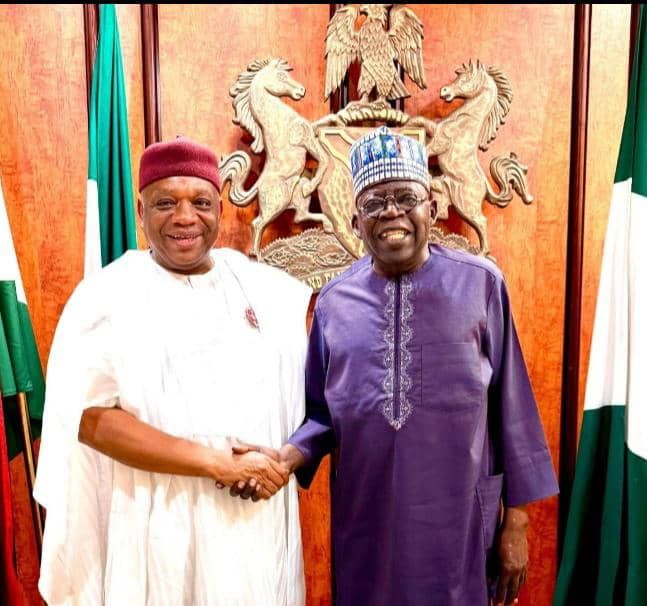
In supporting his position, Kalu acknowledges the role of leadership at the top. He openly praises President Bola Ahmed Tinubu for what he describes as vigilance in filtering out questionable characters from positions of influence. According to Kalu, this level of alertness is necessary in a system where many people are eager to use politics as a shield for past crimes. He suggests that leadership must be intentional about who is allowed near power, stressing that integrity should matter as much as experience or loyalty.
Kalu’s support for President Tinubu on this issue is based on the belief that governance is a collective responsibility. While institutions matter, the individuals running them matter just as much. If leaders fail to draw clear lines against fraud and dishonesty, the system becomes polluted. By commending Tinubu’s efforts, Kalu sends a message that fighting corruption is not just about policies but also about personal judgment and courage.
Importantly, Kalu does not claim that the problem is limited to one party or region. His warning is broad and inclusive. Fraudsters, he implies, can be found anywhere if vigilance is weak. This makes his message less about politics and more about values. He is calling for a political culture where integrity is rewarded and criminal behavior is rejected, regardless of who is involved.
Kalu’s words also serve as a reminder to voters. He indirectly challenges Nigerians to look beyond slogans, money, or ethnic loyalty when choosing leaders. Supporting individuals with a history of fraud or dishonesty, he suggests, is a short-term decision with long-term consequences. When such people gain power, they rarely change; instead, they often become more dangerous because they now control resources meant for public good.
Another key aspect of Kalu’s stance is accountability. He believes that people who committed crimes should face justice, not reinvent themselves through politics. Using political office as a hiding place from the law undermines democracy and sends the wrong message to young people. It suggests that crime pays, as long as one can secure influence. Kalu firmly rejects this idea, insisting that politics should be about service, sacrifice, and nation-building.
The tone of Kalu’s message is frank but not reckless. He does not glorify himself or claim moral perfection. Rather, he speaks as someone who has seen the system from the inside and understands how easily it can be abused. His warning carries weight because it is grounded in experience, not theory. He has witnessed how corruption damages development and how difficult it is to fix once it becomes normalized.
In standing against fraudsters in politics, Kalu aligns himself with ordinary Nigerians who are tired of empty promises and repeated disappointments. His position reflects a desire for a cleaner political space where leaders are judged by their actions, honesty, and commitment to the people. While words alone cannot solve the problem, clear and consistent messaging from influential figures like Kalu helps set standards and shape public debate.
Rubby Obinna
Feb. 10, 2026.