A comprehensive review of electoral dynamics in Kwara State has revealed a historic shift in voting power, with Kwara North projected to potentially overtake Kwara Central as the state’s dominant voting bloc by the 2027 General Elections.
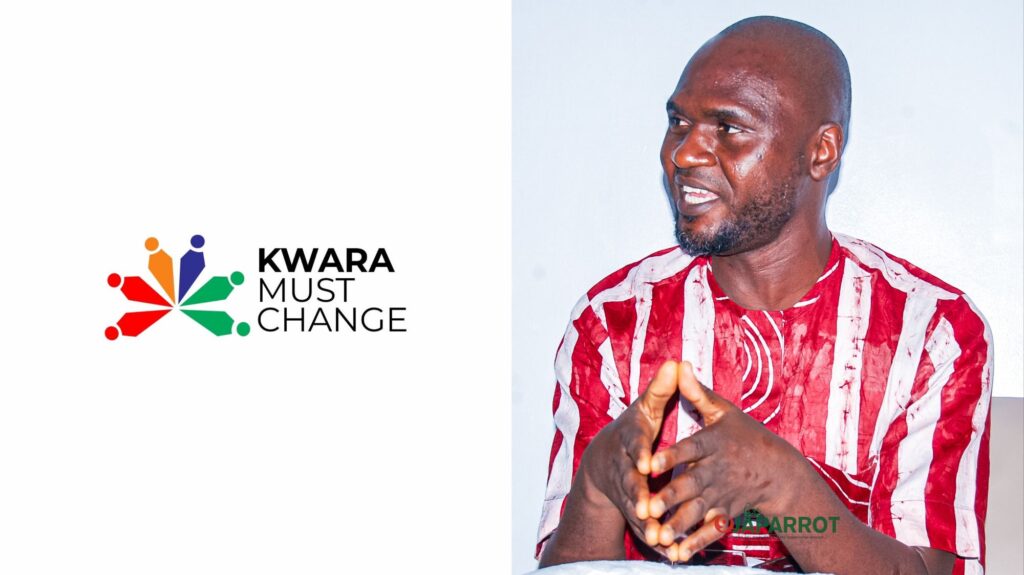
The report, titled “Policy Brief: Electoral Trends and Strategic Insights in Kwara State (1999–2027 Outlook),” was unveiled by Kwara Must Change (KMC) Convener, Abdulrasaq Hamzat, during a strategic session with the Association of Kwara State Online Media Practitioners (ASKOMP).
KMC analysis, rooted in Independent National Electoral Commission (INEC) data from 1999 to 2023, paints a picture of a shrinking center and a rising north.
In 1999, Kwara Central district produced a staggering 52% of the state’s total votes. However, by 2023, this figure had plummeted to approximately 39%, representing a 13% loss in voting share over 24 years.
Kwara North starting at just 24% in 1999, the district has maintained a consistent upward trajectory, gaining roughly 2% in every election cycle. By 2023, its share reached 36%.
“If history repeats itself in 2027, and Kwara North gains its usual 2% while Central loses another 2%, the North will hit 38% against Central’s 37%,” Abdulrasaq explained, noting that document is an academic exercise with profound political implications.
The report attributes Central’s decline to voter disinterestedness and a lack of fresh political mobilization. KMC warns that stakeholders in the district have been eating from the sweat of pre-1999 pro-democracy efforts without adding new value.
They recommended that with massive political engagement and a shift toward democratization, mobilizing citizens for the sake of the process, not just for specific candidates.
Curiously, Kwara South has remained almost stagnant, fluctuating between 24% and 26% since 1999. Despite having seven Local Government Areas, the district shows a low level of political mobilization, with many constituents prioritizing private interests (like farming) over the electoral process, the report revealed.
They recommended that community, religious, and artisan leaders must intervene to show that democracy is a sure way to protect their future interests.
The report further added that the North’s rise is credited to aggressive grassroots mobilization and high rural participation.
However, KMC noted a paradox, while the zone is rising politically, it remains lagging in developmental indices, recommending that with focus on informed citizenship to ensure that rising political share translates into better quality representation and development.
The report concludes that while population remains concentrated in the urban center, Electoral Power is shifting toward those who actually show up at the polls. Factors such as insecurity were noted as potential variables that could limit these projections, but the current momentum heavily favors the Northern senatorial district.
On his part, ASKOMP Chairman and Publisher of The Informant247, Salihu Shola Taofeek commended KMC for the depth of the research, noting that the association will ensure the data reaches the right audience to strengthen the state’s democratic culture.