

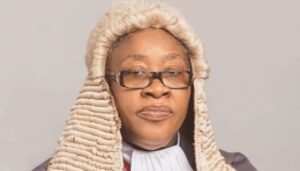
The Chief Judge of Akwa Ibom State, Justice Ekaete Fabian-Obot, has ordered the release of six inmates from two custodial centres during a visit to prisons in the state.
At the Eket Medium Custodial Centre, four inmates who had remained in detention for periods ranging from four months to two years without formal charges or prosecution were released.
Among those freed were Aniekan Aniedi Obot, who had spent one year and eight months in custody over an alleged vandalism offence without being taken to court, and Bassey Friday Bassey, who had been detained for two years over allegations of cultism and unlawful possession of firearms. The other two inmates, Isaac Effiong Ante and Godwin George Abia, had spent four months in custody over allegations of burglary and stealing.
At the Ikot Ekpene Correctional Centre, two other inmates were released. They were Etido Ubong Udiong, who had spent nine months and nine days in custody over allegations of unlawful escape from police custody and possession of illicit substances, and Aniebiet Ernest Johnson, who had remained in detention despite the fact that her case had reportedly been struck out.
Meanwhile, at the Ikot Abasi Medium Custodial Centre, which had a total population of 140 inmates, no inmate was considered eligible for release during the Chief Judge’s visit.
Justice Obot further instructed that the names of inmates in need of special consideration on health grounds, alongside relevant medical documents detailing their health conditions, be forwarded to her office for appropriate attention.
While advising the freed inmates to turn a new leaf and become responsible members of the society, the Chief Judge called on the police and the Directorate of Public Prosecutions to ensure the diligent and timely prosecution of criminal cases. She emphasised that all relevant institutions in the justice sector must discharge their responsibilities effectively to prevent unnecessary delays in the administration of criminal justice.
A recurring concern raised during the inspection of the facilities was the lack of vehicles to convey inmates to court for their trials. Other challenges identified include inadequate medical facilities and a shortage of doctors to attend to the healthcare needs of inmates.
The inspection, conducted as part of the judiciary’s oversight responsibility, is aimed at ensuring that persons held in correctional facilities are not subjected to prolonged or unjustified detention and that due process is observed in the administration of criminal justice.
DAILY POST.