

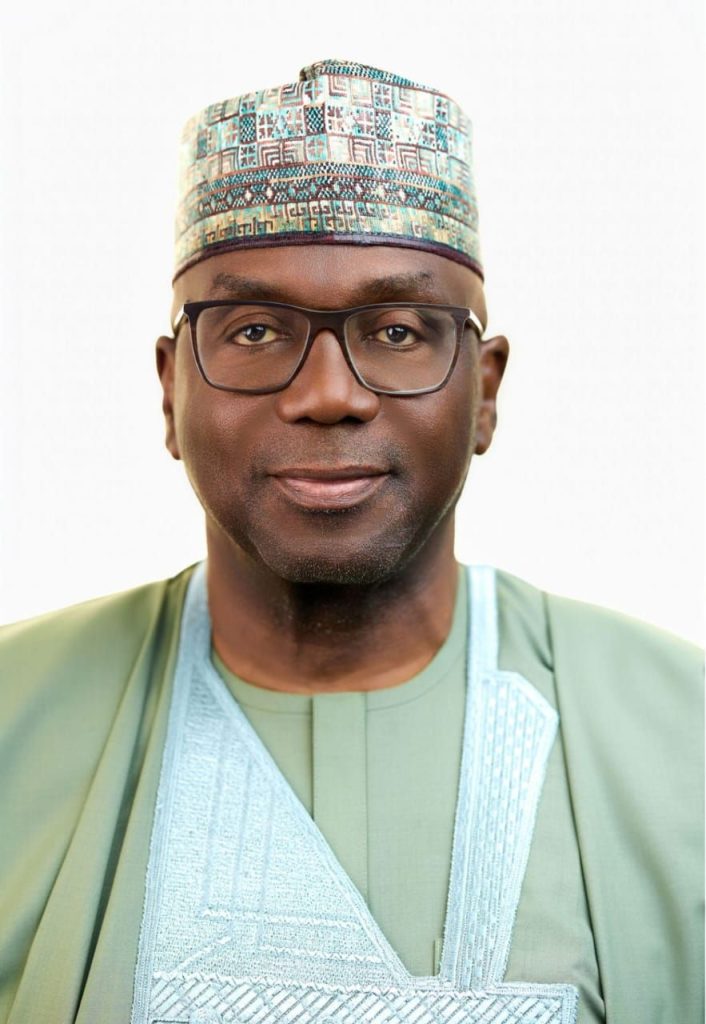
BY: ISMAIL ARIKEWUYO
Governance is ultimately measured not by the promises made at the beginning of an administration but by the lives transformed, institutions strengthened and enduring investments made in the development of society. By this measure, Governor AbdulRahman AbdulRazaq’s administration has given Kwara State compelling reasons to reflect on a period of significant change since May 2019.
Across critical sectors, the administration has pursued a development agenda anchored in infrastructure renewal, human capital development, economic expansion, institutional reforms and social inclusion. While no administration is beyond criticism, the scale and spread of interventions under AbdulRazaq have established a record that deserves recognition in the state’s development history.
1. Infrastructure development has become one of the most visible signatures of the administration. From the Tanke Flyover and Unity Flyover to the rehabilitation of township roads and rural networks, the government has demonstrated an understanding that infrastructure is not merely about aesthetics but about economic productivity, mobility and improved living conditions. Its facilitation of federal road projects through the Tax Credit Scheme has further expanded the scope of interventions across the state.
2. His administration has made education a central pillar of its development agenda. Through KwaraLEARN, school renovations, digital learning initiatives, teacher recruitment and capacity development, it has sought to address both access to education and the quality of learning. The reported interventions covering more than 1,254 classrooms, alongside the ₦20 billion school infrastructure approval in 2025, demonstrate the government’s recognition that the future of Kwara depends substantially on the quality of education available to its children.
3. Healthcare delivery has received considerable attention. The revitalisation of primary healthcare centres, investments in modern medical facilities and the upgrading of General Hospital Ilorin into a teaching hospital reflect an effort to strengthen the state’s healthcare architecture. These interventions are particularly important in a society where access to affordable and quality healthcare remains a major determinant of human development.
4. Kwara’s economic and fiscal profile has witnessed significant growth. The state’s internally generated revenue, which has expanded considerably since 2019, reportedly reached approximately ₦95.4 billion in 2025. Beyond the impressive figures, improved revenue generation provides the government with greater fiscal capacity to finance infrastructure, deliver public services and pursue development priorities with reduced dependence on federal allocations. The sustainability and productive utilisation of this revenue growth will, however, remain important measures of its long-term success.
5. His administration has recognised that economic development must translate into opportunities for ordinary citizens. Through the Kwara State Social Investment Programme, KWASSIP, traders, artisans, market women, transport operators, young entrepreneurs and vulnerable elderly citizens have benefited from various empowerment and social protection initiatives. This approach reinforces the importance of ensuring that the gains of governance reach beyond government institutions and major infrastructure projects to households and small businesses.
6. AbdulRazaq’s industrialisation drive represents an important attempt to reposition Kwara’s economy beyond its traditional dependence on public sector employment. Investments in the Kwara Garment Factory, Ilorin Innovation Hub, Sugar Factory, Shea Butter Factories and other productive ventures reflect a strategy aimed at stimulating entrepreneurship, attracting investment, creating employment and strengthening local production. The real measure of these initiatives will be their capacity to achieve sustainable operations, expand private sector participation and generate meaningful jobs.
7. The welfare of workers and the reform of the civil service have featured prominently in the administration’s priorities. Efforts to address inherited salary and pension arrears, implement improved minimum wages, facilitate promotions and strengthen workers’ welfare have contributed to the administration’s engagement with the public workforce. A motivated civil service remains indispensable to effective governance, and investments in workers’ welfare must continue to go hand in hand with institutional efficiency and accountability.
8. His administration has taken steps towards strengthening women’s representation in governance. The legislative commitment to 35 per cent representation of women in leadership positions is an important statement about inclusive leadership and equal opportunities. Beyond representation, its effective implementation across public institutions will be essential to ensuring that women participate meaningfully in policy formulation, decision-making and public administration.
9. The government’s development strategy has extended beyond Ilorin and other urban centres to rural communities and agricultural settlements. Through rural road interventions, agricultural support programmes and initiatives such as the Rural Access and Agricultural Marketing Project, RAAMP, the administration has sought to improve connectivity between farming communities and markets. This is particularly significant for a state with considerable agricultural potential, where better rural infrastructure can reduce transportation costs, minimise post-harvest losses and improve farmers’ access to economic opportunities.
10. Perhaps one of the administration’s most important contributions is its attempt to establish a long-term development framework for the state. Its 10-year development plan provides a broader vision for institutional reforms, economic growth, infrastructure and social development beyond the immediate demands of electoral politics. AbdulRazaq’s emergence as chairman of the Nigeria Governors’ Forum and his election as President of the Forum of Regions of Africa in 2026 have also expanded his leadership profile beyond Kwara, offering the state a stronger presence in national and continental conversations.
Taken together, these ten areas present a picture of an administration that has sought to approach governance as a comprehensive development responsibility rather than a collection of isolated projects. From roads to classrooms, hospitals to factories, workers’ welfare to rural development, the interventions reveal an attempt to address the interconnected challenges that shape the prosperity of a modern state.
Of course, the ultimate assessment of any government must go beyond announcements, approvals and completed projects. Sustainability, measurable outcomes, equitable distribution of opportunities and the ability of public investments to improve the everyday experiences of citizens must remain the standards by which this administration is judged.
Nevertheless, AbdulRazaq’s years in office have placed significant development milestones on the record of Kwara State. His administration has demonstrated that purposeful leadership, strategic planning and sustained investment across sectors can create a foundation for lasting progress. The challenge ahead is to consolidate these gains, address remaining gaps and ensure that the foundations being laid today translate into prosperity for generations of Kwarans.
Ultimately, the strongest legacy of governance is not the number of projects commissioned or the statistics presented, but the enduring institutions, opportunities and improved quality of life left behind. On that score, AbdulRazaq’s administration has made a consequential contribution to the evolving story of Kwara State.