

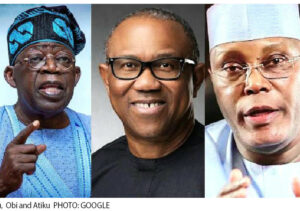
Youths across the country have identified job creation, a lower cost of living, security and credible leadership as key factors that will shape their choices in the 2027 presidential election.
They said these are some of the key factors they will consider when choosing among President Bola Tinubu of the All Progressives Congress, former Vice-President Atiku Abubakar of the African Democratic Congress, Peter Obi of the Nigeria Democratic Congress, Governor Seyi Makinde of the Allied Peoples Movement, and other presidential candidates in the 2027 general elections.
They said their voting decisions would be influenced less by political affiliations and campaign promises than by candidates’ track records, policy proposals and ability to address the economic and social challenges confronting young Nigerians.
Some of the youths stressed that they wanted candidates who would demonstrate a clear commitment to tackling unemployment, improving electricity supply, supporting small businesses and making essential goods and services more affordable. They also called for greater accountability, credible elections and opportunities for young people to participate meaningfully in governance, insisting that political leaders must move beyond rhetoric and present practical, measurable solutions to the country’s problems.
They told LEADERSHIP Sunday that candidates’ competence, integrity, track records and plans for national development would also influence their decisions, urging voters to look beyond party affiliations and personalities.
Ondo: Jobs, Affordable Living Top Priorities
In Ondo State, Akinola Solomon, a final-year student at Adekunle Ajasin University, Akungba-Akoko, said he would support a presidential candidate capable of creating jobs and tackling graduate unemployment.
“As a prospective graduate, what I will look for is a leader who will be able to provide job opportunities or employment because the thought of graduating and being jobless is terrifying. I don’t pray to experience that,” he said.
A fashion designer, Samuel Onigiobi, said he would consider a candidate with practical plans to stabilise the economy and reduce living costs, which he said had affected his business.
“People hardly sew clothes anymore because the high cost of living is draining most of their income. So, I will look for a leader who can stabilise the economy and reduce the cost of living,” he said.
Another respondent, Praise Falade, also identified the high cost of living as a major concern, arguing that reducing hunger would boost productivity.
“I will look for a leader who can reduce the cost of living. If people are not hungry, they will be more productive,” she said.
Gombe: Security, Accountability, Credibility Key
Youths in Gombe State identified security, economic recovery, accountability and credible leadership as key considerations in choosing the country’s next president.
James Muri, Suwaiba Adamu and Abdullah Sale told LEADERSHIP Sunday that the next president must demonstrate a clear commitment to improving the lives of ordinary Nigerians.
Muri, a mechanic in Tunfure, said his priority would be a candidate capable of tackling insecurity and restoring public confidence in the security system.
He said Nigerians needed a leader who could protect lives and property, particularly in communities affected by kidnapping, banditry and other violent crimes.
He added that campaign promises would mean little without practical measures to address insecurity and enable citizens to go about their daily activities without fear.
For Adamu, a student of the Federal College of Education (Technical), Gombe, the economy and the welfare of ordinary Nigerians would be decisive factors.
She said she would assess candidates’ plans to address rising food prices, unemployment and declining household purchasing power.
She also urged the next president to prioritise job creation, affordable education and healthcare, stressing that leadership should be measured by improvements in living conditions rather than campaign promises.
Sale, a tailor at Gombe New Market, said integrity, accountability and competence would guide his choice.
He said he would not vote for a candidate merely because of party affiliation or popularity, insisting that the next president must manage public funds transparently, appoint competent people and explain government decisions to citizens.
He added that candidates should be judged by their records, policies and demonstrated ability to deliver on their promises.
Abia: Youths Consider Security, Age, Health
In Abia State, respondents, including a student, a teacher and a tricycle operator, said security and employment would feature prominently in their choices.
They said they would also consider candidates’ age, health, academic qualifications, international reputation, integrity and commitment to national development.
According to them, voters should scrutinise candidates’ records in public office and the private sector, as well as their personal conduct and relationships with others.
A tricycle operator, who pleaded anonymity, said he would vote for a candidate sympathetic to the detained leader of the Indigenous People of Biafra, Nnamdi Kanu.
Anambra: Integrity, Track Records Matter
In Anambra State, an Awka-based businesswoman, Nkoli Ugboma, 38, said she would first assess candidates’ honesty and commitment to keeping their promises.
She said she would also consider their manifestoes, religious convictions and previous performance in public office.
Another Awka-based businessman, Ugochukwu Ikegbue, said integrity, compassion and a clear vision for the country’s economic future would guide his choice.
He also favoured younger candidates, arguing that age could influence a person’s thinking, decision-making and ability to perform.
Ijeoma, a food science graduate and hair stylist, said she would focus on candidates’ records in the office.
RELATED NEWS
Abia LP Campaign Media Directorate Vows To Deliver For Otti’s Re-Election
Lagos Targets 6 Sectors To Drive MSME Growth, Job Creation
Met Police Review Handling Of Allegations Against Meghan’s Father
Enugu: Age, Credibility, Criminal Records
In Enugu State, a student, Emeka Uwakwe, said a candidate’s age would influence his decision.
A civil society activist, Comrade Amaka Ojo, said she would prioritise credibility, while Obiinna Jideiofor identified candidates’ criminal records as a major consideration.
A human rights activist, Ugo Chukwu, said the ethnic nationality of candidates would also influence his decision.
Kwara: Jobs, Cheaper Education, Steady Power
In Kwara State, Dauda Lawal, a resident of Ilorin, said he would vote for a candidate with a credible plan to create jobs for the country’s large youth population.
Adedayo Ishola said he would favour a candidate committed to substantially reducing the cost of education.
Aliyu Kure, another respondent, said regular electricity supply and economic prosperity would guide his choice.
Ekiti: Economic Relief, Security Top Agenda
In Ekiti State, a young resident of Ado-Ekiti, Olayemi Adeoye, said he would support a candidate with realistic economic policies to ease hardship and address insecurity.
Another respondent, Agnes Oni, told LEADERSHIP Sunday that she would favour a candidate with concrete plans to reduce petrol prices, transport fares and the cost of food and other goods and services.
A young graduate, Olusola Adeoti, said he wanted a candidate with a deliberate plan to tackle youth unemployment, review the minimum wage in line with prevailing economic realities and improve Nigerians’ welfare.
Alex Adeleke, a university student, said he would support a candidate committed to industrial harmony on campuses to prevent strikes by academic and non-academic staff.
He also urged the next administration to maintain student loan programs and other policies that support students.
Imo: Jobs, Industrial Revival, Power Are Top Priorities
Youths in Imo State expressed dissatisfaction with the country’s current economic conditions, saying they wanted a president with the competence and capacity to reverse the trend.
Chima Ubaka said a candidate’s competence and ability to deliver would be essential to his choice.
According to him, Nigeria has the resources to transform its fortunes but lacks the leadership acumen and dexterity to achieve the desired results.
Another respondent, Ndidi Anochuwa, said job creation, industrial development and the revival of moribund industries would influence his decision.
Nkechi Enwerem said the harsh economic climate was taking a toll on her small business.
She said she would vote for a candidate committed to restoring stable electricity and tackling the insecurity affecting the country.
Bayelsa: Cost Of Living, Small Businesses In Focus
In Bayelsa State, a phone repairer in Yenagoa, Reginald Ogundu, said he would prioritise candidates with practical plans to reduce the cost of food, transport and other necessities.
He added that young people needed more job opportunities and support for small businesses.
“I want a president who understands what ordinary Nigerians are going through. The cost of food and transportation is affecting everyone, and we need a leader who can make life easier for the people,” he said.
Preye Baro said she would consider candidates’ plans for job creation, education, healthcare and infrastructure.
She urged young people not to let party loyalty determine their choices, saying that concrete plans must back campaign speeches.
“I will look at what each candidate has done before and what they plan to do for young people. Having a good speech is not enough if there is no clear plan to create jobs and improve our lives,” she said.
A commercial tricycle operator, George Orukari, said security, affordable living costs and better roads would influence his decision.
He said he would support a candidate who could explain how the government intended to address these challenges and demonstrate a commitment to accountability.
“Before I vote, I want to know what the candidate will do about insecurity, the high cost of living and bad roads. I will compare their records and promises before making my choice,” he said.
Cross River: Voters Demand Promise-Keepers
In Cross River State, respondents stressed the need for a president who would fulfil campaign promises and lamented the failure of successive administrations to meet public expectations.
A graduate of Accounting from the University of Cross River State (UNICROSS), Emmanuel Etuk, said he would not vote for President Bola Tinubu, arguing that the president had failed to fulfil his campaign promises.
He said Nigeria needed “a president who has the fear of God and has the people at heart”, adding that the country required a leader who was “honest, intellectually sound, above all, one who is a promise keeper”.
Another respondent, Hannah Arikpo, said a candidate’s commitment to keeping promises must be demonstrated through tangible action at the grassroots.
A further respondent called for a compassionate president who would support vulnerable Nigerians through regular empowerment initiatives and skills acquisition programmes to promote self-reliance among young people.
Similarly, a car wash operator, Saviour Ekpeyong, said the next president must have the determination to transform the country’s fortunes.
He said Nigerians should avoid repeating the mistake of electing a president whose tenure had no visible impact.
Delta: Maturity, Competence, Important
In Delta State, respondents identified maturity, competence, educational qualifications and commitment to Nigeria as important considerations in choosing the next president.
A banker, Biose David, advocated raising the minimum age for presidential candidates, arguing that the threshold should reflect the importance of the office.
A motor mechanic, Bashiru Oganla, said candidates should possess the necessary education, communicate effectively in the country’s official language and be physically and mentally fit for the demands of the office.
A newspaper vendor, Best Agbaike, stressed the importance of patriotism and commitment to the country.
He also argued that candidates should be free from disqualifying criminal convictions, particularly those involving treason, electoral offences or corruption, and should meet the applicable constitutional requirements for eligibility.
Oyo: Security, Quality Education Key
In Oyo State, youths said they would consider candidates’ practical strategies for tackling insecurity, protecting lives and property, and ensuring lasting peace and stability.
Abidemi Adewale, Abigail Sanusi and Tosin Feranmi identified security as a major challenge requiring decisive leadership.
They also said the next administration must address the education crisis, including the large number of children out of school.
They would therefore assess candidates’ specific policies for making quality education accessible, affordable and inclusive, regardless of children’s backgrounds or locations.
Jigawa: Farmers, Traders Seek Economic Relief
In Jigawa State, respondents expressed differing views on the qualities they would consider when choosing the next president.
Musa Sani, 27, a tea vendor in Shuwarin town, Kiyawa Local Government Area, said he would assess candidates’ past performance and records before deciding whom to support in the 2027 general election.
Hajiya Rabi Usman of Kazaure Local Government Area said she would prefer a new candidate, arguing that the current leadership had failed to resolve the country’s security and socio-economic challenges.
She said the situation continued to deteriorate because of poor policies.
However, Musa Ismail, from Dutse Local Government Area, said he would prefer continuity despite the country’s challenges.
He argued that although the situation had not improved as expected since Tinubu assumed office, the president should be given another chance to correct his mistakes rather than electing a new leader whose policies and performance would be uncertain.
A 60-year-old farmer, Malam Garba, from Kafin Gana town in Birnin Kudu Local Government Area, said rising petrol prices and other farm input costs had eroded his earnings over the past three years.
He also lamented that farm produce prices had fallen by more than 50 per cent.
Garba said he would support a presidential candidate capable of introducing policies that would create an enabling environment for farming and local businesses to thrive.
He added that the next president must have the courage to tackle poverty and reverse the worsening living conditions across the country.