BY AKANBI KAMALDEEN
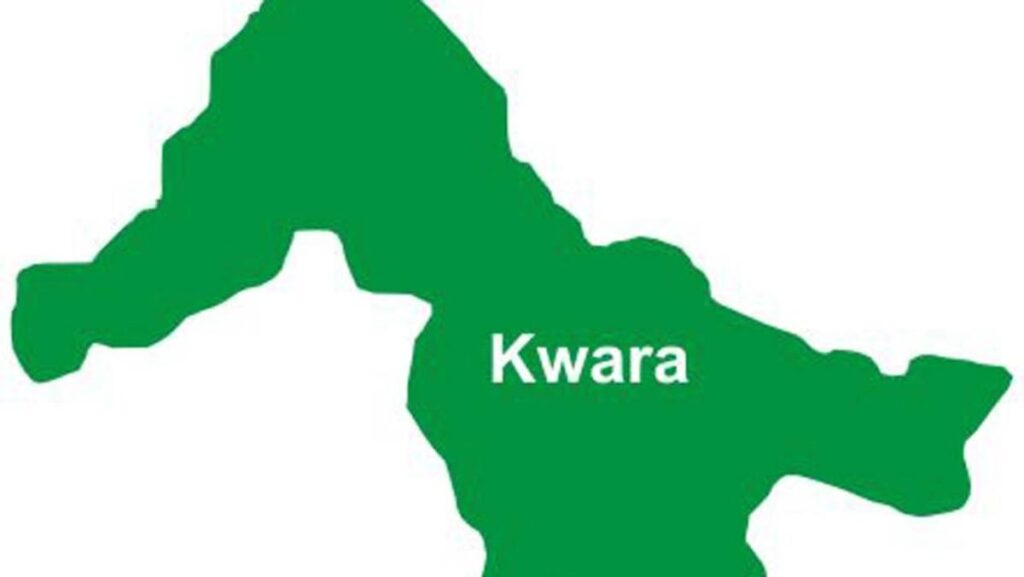
As conversations around the 2027 governorship election gather momentum in Kwara State, many youths are placing increasing emphasis on leadership continuity and sustained youth inclusion in governance. Unlike in many states where young people often have limited participation in public affairs, the administration of AbdulRahman AbdulRazaq has been widely acknowledged for introducing policies and initiatives aimed at empowering youths across the state.
Since assuming office, the administration has created opportunities for young people through political appointments, entrepreneurship support programs, educational interventions, and broader participation in public service across the sixteen local government areas. Observers believe these efforts have contributed significantly to strengthening youth engagement in governance and decision-making processes.
As preparations for the 2027 election gradually begin, political parties are expected to position potential candidates for the governorship race. However, many Kwara youths appear more concerned about the future direction of governance than mere political competition. Their growing interest lies in identifying a successor capable of sustaining and expanding policies that promote youth development and inclusion.
For many young citizens, the expectation is straightforward — the next governor should build on the existing foundation by creating more opportunities, encouraging innovation, and ensuring that youths remain active stakeholders in the governance of the state.
Political analysts also note that leadership transitions often determine whether developmental achievements are consolidated or reversed. Consequently, the 2027 election is increasingly viewed as a defining moment that will shape the future of youth participation, governance continuity, and sustainable development in Kwara State.
Although political campaigns are yet to fully commence, discussions among young voters continue to revolve around a central question: who possesses the vision and capacity to build upon the achievements of the current administration while further amplifying the voice of Kwara youths in leadership and governance?