

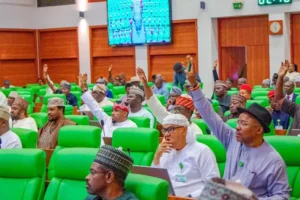
The House of Representatives has commenced moves to establish a regulatory framework for nutrition practice in Nigeria through a bill seeking to create the Nutritionists Registration Council of Nigeria.
The proposed legislation is aimed at strengthening professional standards, improving the quality of nutrition services and protecting Nigerians from harmful or misleading nutritional advice.
Speaker of the House, Tajudeen Abbas, stated this on Tuesday while declaring open a public hearing on the bill, stressing that nutrition plays a critical role in public health, education, healthcare expenditure and national productivity.
Abbas said the establishment of the House Committee on Nutrition and Food Security reflected the growing recognition of nutrition as a key component of national development.
He urged stakeholders to contribute constructively to the legislative process, noting that the proposed law must address clearly identified needs and establish a practical framework for regulating the profession.
“I urge all stakeholders to approach this hearing with candour, technical rigour and a shared commitment to national interest. Parliament must legislate with ambition, but also with prudence,” the Speaker said.
He added that the effectiveness of the proposed legislation would be measured by its impact on professional competence, public protection and the quality of nutrition services available to Nigerians, rather than merely the establishment of another regulatory institution.
According to him, an effective regulatory framework would strengthen preventive healthcare, reduce avoidable health burdens and contribute to building a healthier and more productive population.
The Speaker commended the House Committee on Nutrition and Food Security, chaired by Chike Okafor, alongside the Nutrition Society of Nigeria, for their contributions to the proposed legislation.
Earlier, Okafor described the public hearing as an opportunity for citizens, experts and relevant stakeholders to present evidence-based opinions on the bill before further legislative consideration.
He assured participants that the committee had not reached a final position on the proposed law and would consider submissions both in support of and against the legislation before making its recommendations to the House at plenary.
“As a committee, we have no bias or already decided opinion, but we will collate all opinions canvassed by you today, either for or against, before making our recommendation to the general House in plenary for consideration,” he said.
Okafor urged participants to view their contributions as an essential part of lawmaking and national development, emphasising the need to enact effective legislation.
He also commended Abbas for supporting the establishment of the Committee on Nutrition and Food Security, describing the initiative as a significant development in the history of the National Assembly.
The proposed council is expected to provide a framework for setting professional standards and regulating nutrition practice, with the public hearing offering stakeholders an opportunity to examine its proposed mandate and recommend improvements.
The bill comes amid growing recognition of nutrition’s role in preventive healthcare, disease management and overall well-being. If enacted, the legislation could help establish clearer standards for nutrition practice and promote access to reliable, evidence-based guidance on diet and nutritional health.