

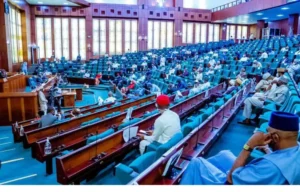
The House of Representatives has passed for second reading a bill seeking to regulate rent payments, curb arbitrary rent increases and check exploitative practices by landlords and estate agents in the Federal Capital Territory (FCT).
The bill, sponsored by Rep. Paul Sunday Nnamchi, also seeks to regulate advance rent payments and agency fees, while establishing a unified digital register for housing agents.
Leading the debate, Nnamchi said rising accommodation costs and excessive demands for advance rent had placed significant financial pressure on residents, affecting household savings, businesses and employment opportunities.
He explained that the proposed legislation was aimed at creating a fair and transparent rental system without undermining the rights of property owners or discouraging investment in the real estate sector.
Supporting the bill, Rep. Chinedu Ogah said the high cost of office accommodation in Abuja had continued to affect businesses, citing the cost of renting a three-bedroom office in Wuse, which he said could reach between N25 million and N30 million annually, excluding agency charges.
Similarly, Rep. Ayodeji Alao-Akala backed the proposal, arguing that compelling young couples and other prospective tenants to pay two years’ rent upfront placed an unreasonable financial burden on them.
He called for flexible payment arrangements, including monthly, six-monthly and annual payments, rather than compulsory multi-year rent payments.
However, some lawmakers raised concerns about the proposed restrictions, particularly the possible implications for property rights and freedom of trade.
Rep. Ibe Okwara Osonwa supported the regulation of the rental market but cautioned against an outright prohibition of multi-year rent arrangements.
Rep. Patrick Umoh also urged the House to step down the bill for further consultations, citing possible constitutional concerns and the need to review existing tenancy laws in the FCT.
Deputy Speaker Benjamin Kalu acknowledged the concerns, noting the need to ensure that the proposed legislation aligns with relevant constitutional provisions.
The House Leader, Rep. Julius Ihonvbere, described the bill as necessary, particularly in addressing the activities of unregistered estate agents and the difficulties Nigerians face in securing accommodation.
He said the bill would proceed to a public hearing, where relevant professionals, stakeholders and members of the public would have the opportunity to contribute to its consideration.
In his closing remarks, Kalu cited Section 16 of the Constitution, which provides for citizens’ welfare and access to suitable and adequate shelter, stressing the need for regulation in sectors that address essential human needs.
The bill was subsequently passed for second reading, paving the way for further legislative consideration and a public hearing.