By Olumide Johnson
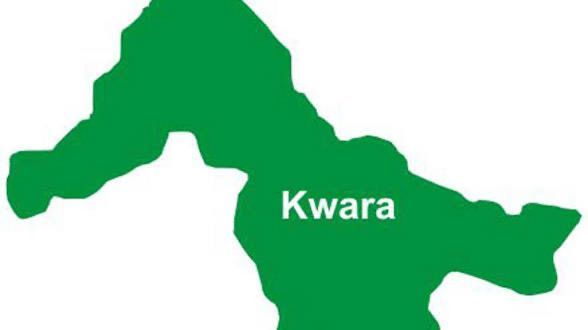
For too long, politics in Kwara State has been controlled by one dangerous psychological weapon, fear.
Not fear of violence.
Not fear of failure.
But fear of numerical strength.
Every election season, the same statement echoes across political meetings, beer parlours, religious places, markets and WhatsApp groups:
“Kwara Central is too populated. Nobody can defeat them.”
Over time, many people in Kwara South and Kwara North accepted this claim as political gospel.
Some even surrendered before the battle started. They entered negotiations already defeated in their minds.
But what if that “numerical superiority” story is not the complete truth?
What if the so-called voting strength of Kwara Central has always depended heavily on the same Kwara North and Kwara South people who relocated to Ilorin for survival, education, business and civil service opportunities?
That is the uncomfortable truth many political elites do not want openly discussed.
Ilorin may geographically sit in Kwara Central, but politically and economically, it is a melting pot built by everybody. The traders from Omu-Aran, the teachers from Offa, the artisans from Patigi, the students from Kaiama, the civil servants from Oke-Ero, the businessmen from Baruten and the workers from Edu all contributed to the swelling population that is now constantly weaponized against their own regions.
So the question is simple:
If the population strength of Kwara Central partly came from Kwara Southerners and Northerners living in Ilorin, why should those same people continue behaving politically like outsiders in the city they helped build?
This is where the mental slavery must end.
Politics is not only about geography. It is about interests, emotions, alliances and identity. Once people understand their collective power, old political myths collapse quickly.
The biggest mistake Kwara North and Kwara South have made over the years is disunity. While others organize strategically, many Northern and Southern politicians spend energy fighting one another over crumbs instead of building a common political direction.
That division is the real reason power remains concentrated.
The day Kwara North and Kwara South genuinely unite around a focused governorship project, the political equation in the state changes immediately.
And let nobody deceive anybody: elections are not won only in villages anymore. Elections are won in population centres and many of the residents inside Ilorin today trace their roots to Kwara North and Kwara South.
These people rent houses in Ilorin.
They run businesses there.
Their children attend schools there.
They vote there.
Yet many still emotionally vote against their own broader regional interests because they have psychologically accepted the narrative that power naturally belongs to “the owners of the capital.”
But no democracy belongs permanently to one bloc.
Political dominance survives mainly on perception. Once the perception changes, power shifts.
Nigeria itself has shown this repeatedly. Alliances defeat establishments all the time. Populations move. Sentiments evolve. Coalitions emerge. Old strongholds fall and
Kwara is not different.
Nobody is calling for hatred against Kwara Central. That would be foolish and dangerous. Kwara remains one family. Every zone matters. Every community matters. But unity does not mean permanent political surrender.
The real conversation now should be about balance, fairness and strategic awakening.
Kwara North and Kwara South must stop entering elections as scattered spectators. They must begin to think like stakeholders with equal ownership of the state.
A united political movement between both regions can reshape conversations inside Ilorin itself. It can awaken the consciousness of Northern and Southern residents in the capital. It can
create a new voting culture based on shared future interests rather than inherited political fear.
And once that happens, the old myth of “unbeatable numbers” will disappear like smoke.
Because at the end of the day, numbers are not magical. Numbers move with people.
And people move with conviction. Start the conviction of our people today by opening their eyes.