By Saeed Tijjani
In contemporary Nigerian politics, constituency representation is often measured solely by tangible, physical structures; kilometers of asphalt laid, solar streetlights erected, or community halls constructed. While physical infrastructure remains essential, a critical element often gets overlooked: human capital development.
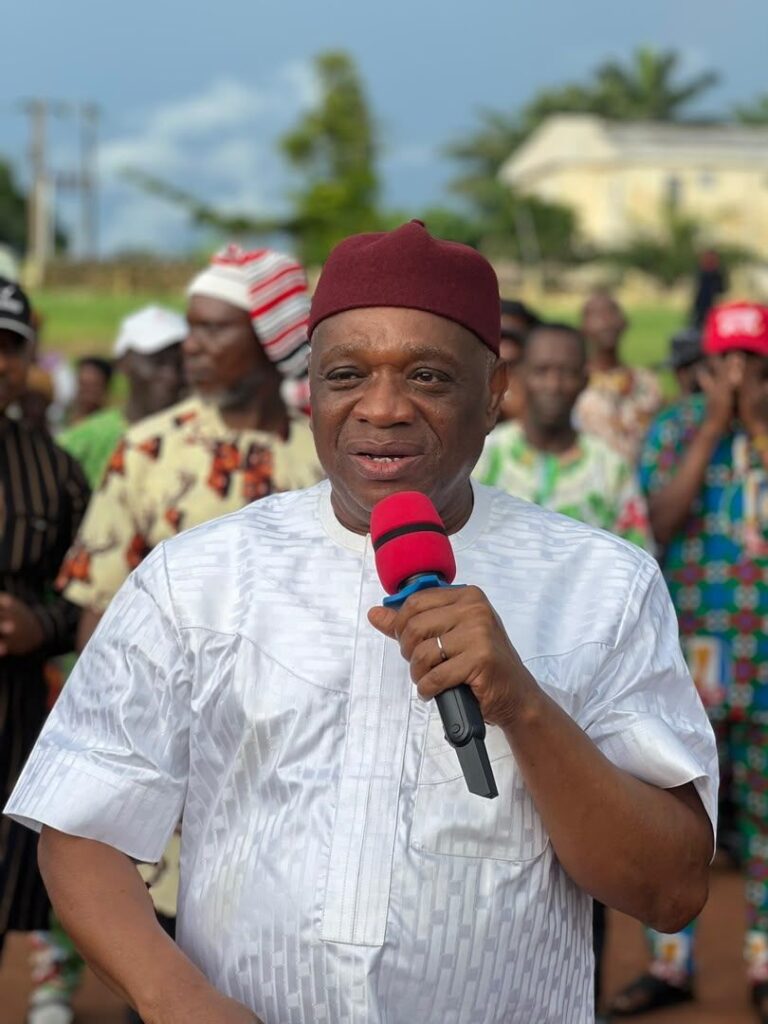
True, enduring leadership is defined not just by the roads built, but by the lives built upon those roads. This philosophy was clearly demonstrated at Camp Neya in Igbere, Bende Local Government Area, where Senator Dr. Orji Uzor Kalu, representing Abia North Senatorial District, facilitated the rollout of the Federal Government’s Conditional Grant Scheme via the Small and Medium Enterprises Development Agency of Nigeria (SMEDAN). The program delivered N50,000 direct seed grants to nano-business operators, micro-entrepreneurs, and grassroots traders across all five local government areas of the district.
While N50,000 may seem modest to corporate boardrooms, at the economic base of Abia North, it serves as vital operational capital.
For Jacintha Onwuka, a foodstuff trader; Igwe Chidinma, a poultry farmer; Mike Anyanwu, a transport operator; and Nneka Kalu, a crop farmer, these grants provide immediate relief and business expansion.
By strategically targeting nano-enterprises, food sellers, petty traders, small-scale farmers, and transport operators, Senator Kalu is strengthening the financial foundations of local households. This initiative directly aligns with President Bola Ahmed Tinubu’s Renewed Hope Agenda, proving that legislative effectiveness lies in connecting federal executive programs directly to grassroots constituents.
What sets Senator Kalu apart is his multi-pronged approach to constituency stewardship. Infrastructure alone can leave a community physically connected yet economically stagnant, while pure financial handouts without long-term capacity building lead to temporary relief rather than sustainable growth.
Senator Kalu’s record reflects a balanced combination of grassroots economic empowerment, educational advancement, and physical development. Moving beyond traditional political handouts toward structured seed capital empowers constituents with tools to think big, start small, and prosper. At the same time, sponsoring over 50 students for advanced studies and technical training, including sending constituents abroad for specialized academic advancement, ensures long-term human growth alongside the dozens of road projects and erosion control interventions across Bende, Isikwuato, Umunneochi, Ohafia, and Arochukwu.
As discussions around the 2027 general elections begin to take shape across Abia State, the people of Abia North face a fundamental choice between untested political experimentation and proven, impactful representation. Senator Kalu’s performance demonstrates that high-yielding representation requires political leverage, established federal networks, and legislative experience. Facilitating direct interventions through major federal agencies like SMEDAN requires rank, access, and respect within the federal structure.
Leadership is ultimately a contract of service, and by putting human capital at the center of his legislative agenda, Senator Orji Uzor Kalu has shown that his primary commitment is elevating the living standards of his people, offering a strong foundation for continued, effective representation for Abia North in the Senate come 2027.