JALINGO — Academic activities at Taraba State University (TSU), Jalingo, have been disrupted following the commencement of an indefinite strike by the Academic Staff Union of Universities (ASUU) over alleged delays in implementing the 2025 Federal Government-ASUU remuneration agreement and the payment of outstanding salary arrears.
The industrial action, which began on Monday, October 12, 2026, followed the expiration of a two-week grace period granted to the Taraba State Government under Governor Agbu Kefas to address the union’s demands.
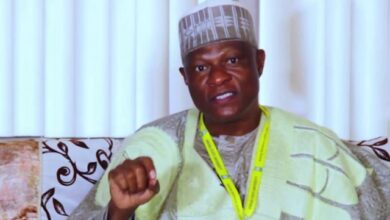
ASUU-TSU Branch Chairman, Dr Joshua Garba Mbave, announced the strike in a statement issued in Jalingo, explaining that the union’s congress resolved to withdraw its services after repeated engagements, appeals and extensions failed to produce a satisfactory resolution.
Mbave identified the immediate implementation of the 2025 FGN-ASUU remuneration framework at the university and the settlement of all outstanding salary arrears dating back to January 2026 as the union’s major demands.
According to him, ASUU-TSU had exercised restraint since February 2026 while engaging the state government in efforts to resolve the dispute through dialogue.
He disclosed that the engagements resulted in the establishment of a verification committee tasked with assessing the existing salary structure and the level of implementation across universities in the North-East.
The union chairman said the committee’s findings showed that other universities in the region had fully implemented the agreed salary scale.
He added that the tripartite committee submitted its report, outlining the financial implications of implementing the agreement, on September 24, 2026.
Despite the submission of the report, Mbave alleged that the state government failed to fulfil its commitment to resolving the matter, even after the Office of the Head of Service reportedly appealed for an additional 14 days to address the outstanding issues.
The union maintained that its decision to embark on the strike followed prolonged patience and unsuccessful attempts to secure a definite commitment from the government.
ASUU-TSU, however, stressed that the industrial action should not be interpreted as a rejection of dialogue, declaring its readiness to engage the state government and other relevant stakeholders toward resolving the dispute.
The union insisted that any further engagement must be sincere, timely and focused on achieving a concrete resolution rather than extending the negotiation process indefinitely.
It consequently urged the Taraba State Government to honour the processes already concluded, implement the remuneration agreement without further delay and clear the outstanding salary arrears owed to its members.
The union also appealed to members of the public to understand its position, describing the dispute as a struggle for fairness, the dignity of university workers and respect for agreements reached in good faith.
The strike is expected to place further pressure on the state government to resolve the dispute and restore normal academic activities at the institution.
The state government’s response to the union’s allegations was not contained in the statement provided.