

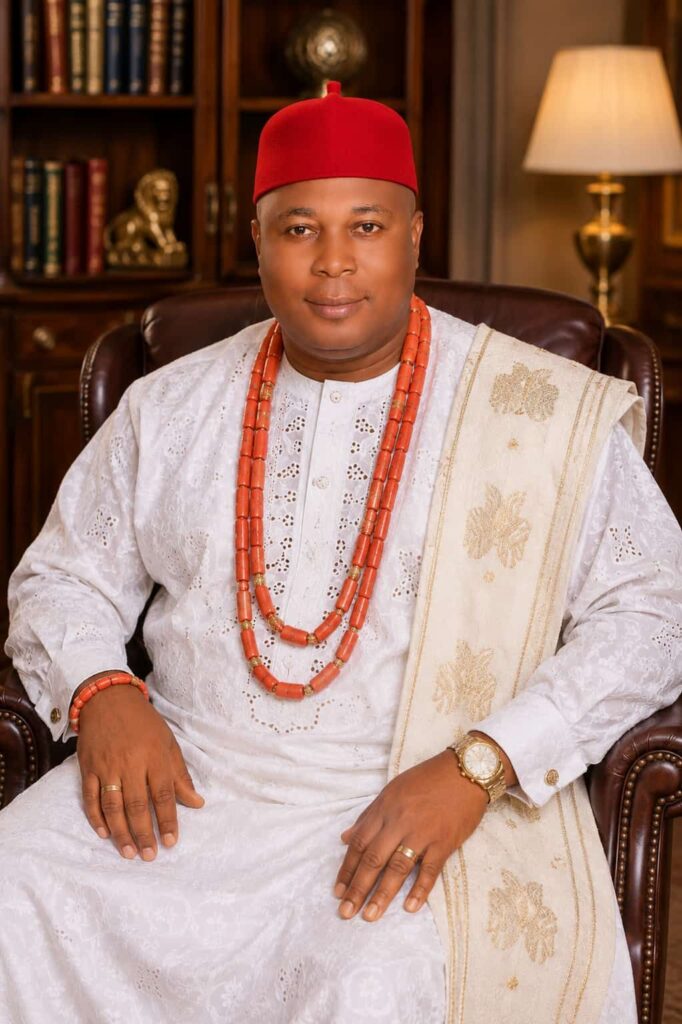
By Professor Olanrewaju Abraham, Vice-Chancellor, HBI University Florida USA
Beyond the daily political arguments surrounding President Bola Ahmed Tinubu’s administration, an important story is unfolding across Nigeria—one that deserves closer national attention.
Nigeria is gradually being reconnected through strategic infrastructure corridors.
From the Lagos–Calabar Coastal Highway and Sokoto–Badagry Superhighway to critical roads linking Kaduna, Niger, Kwara, Osun and Oyo States, the emerging infrastructure network has implications far beyond transportation. These projects can open agricultural communities to markets, reduce travel time, stimulate interstate commerce and strengthen connections between Northern and Southern Nigeria.
In Borno State, the rehabilitation of important trade corridors also demonstrates how infrastructure can support economic recovery and security in communities affected by insurgency. Meanwhile, investments in electricity transmission and other critical infrastructure are strengthening the foundations required for industries, ports and businesses to prosper.
The bigger story, therefore, is not simply about kilometres of roads.
It is about what those kilometres connect: farmers to markets, businesses to customers, industries to ports, and communities to opportunities.
Nigeria still faces serious economic and social challenges, and government must remain accountable for costs, quality and timely completion of these projects. But where measurable progress exists, Nigerians should acknowledge it.
As the country looks toward 2027, perhaps the important question is no longer simply, “What has Tinubu started?”
We should also ask:
What could Nigeria become if these projects are given the opportunity to be completed and consolidated?
Sometimes, transformation begins before its full impact becomes visible.
Professor Olanrewaju Abraham
National Coordinator,
National APC Christian Leaders Forum of Nigeria